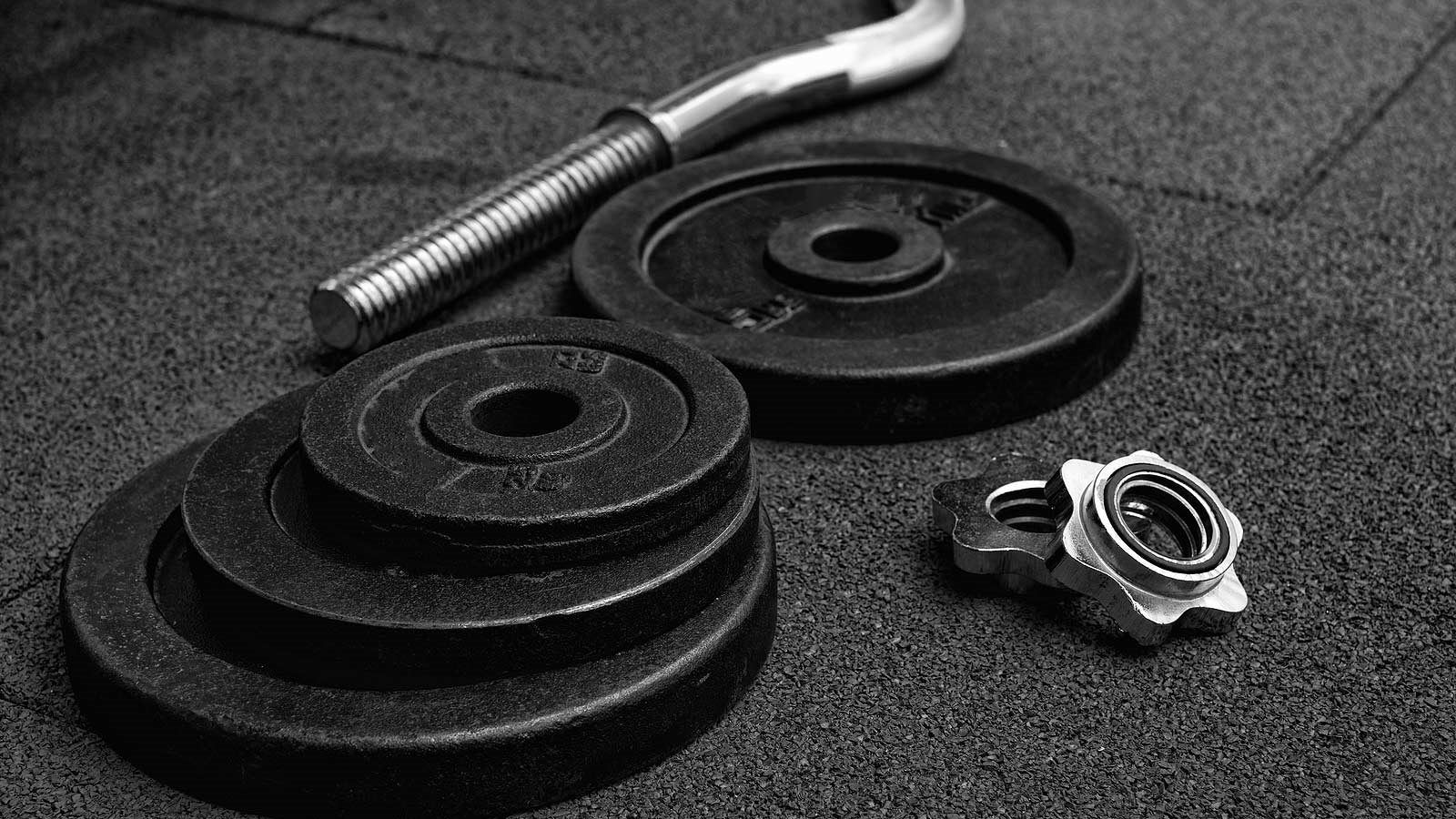
Van Dyck Highlights the Importance of Safer Gym Flooring
Published: Thursday, June 4, 2026
Van Dyck highlights why safer, quieter gym flooring matters for home gyms, commercial fitness spaces and high-impact training environments.
Van Dyck highlights why rubber gym flooring matters for safer, quieter and more durable home gyms, commercial fitness spaces and high-impact training areas.
Van Dyck encourages South African gym owners, fitness studios and home gym users to treat flooring as a core part of workout safety, comfort and performance. The company highlights how recycled rubber gym flooring can help absorb impact, reduce noise, protect underlying floors and support safer, more durable training environments.
South African recycled rubber manufacturer encourages gyms, studios and home fitness users to treat flooring as a core part of workout safety and performance.
As more South Africans invest in home gyms, commercial fitness facilities, functional training spaces and boutique studios, Van Dyck is encouraging gym owners and fitness enthusiasts to pay closer attention to one of the most important parts of any training environment: the floor.
Gym flooring is often treated as a finishing detail, but it plays a direct role in safety, comfort, noise control, durability and the long-term usability of a fitness space. Whether the area is used for free weights, cardio equipment, HIIT, stretching, functional training or commercial group classes, the right surface can help create a better and safer workout environment.
Flooring Is the Foundation of a Functional Gym
Van Dyck manufactures and supplies recycled rubber gym mats and flooring products for home gyms, commercial gyms, speciality fitness studios, outdoor training areas and high-impact workout zones.
Rubber gym flooring is designed to withstand heavy impacts from weights, high-intensity exercise and regular foot traffic. It also offers shock absorption, sound insulation and slip resistance, making it suitable for a wide range of fitness applications.
“Gym equipment usually gets most of the attention, but flooring is one of the most important decisions in any fitness space,” said Dr. Mehran Zarrebini, CEO at Van Dyck. “A good rubber gym floor helps protect users, equipment and the underlying floor, while also reducing impact noise and improving the overall training experience.”
Supporting Safer, Quieter Training Spaces
In free-weight and weightlifting areas, flooring needs to be thick enough to handle repeated impact from dropped weights. In cardio and equipment areas, the floor must be durable, easy to clean and stable under machines such as treadmills and stationary bicycles. In workout studios and group training spaces, noise control and comfort become especially important.
Van Dyck offers indoor and outdoor rubber gym flooring in a range of sizes, colours and thicknesses. Its indoor options include 15 mm, 20 mm, 25 mm, 40 mm and 50 mm mats, while its outdoor range includes rugged mats suitable for undercover outdoor training spaces and more intensive-use areas.
For professional gym environments where acoustic performance is especially important, Van Dyck also offers PermaFlex® Acoustic Gym Tiles. These tiles are designed for impact sound reduction, shock absorption, durability and comfort in high-use fitness environments.
A Practical Option for Home Gyms and Commercial Facilities
The growth of home fitness, functional training and hybrid workout routines has made gym flooring relevant to a wider range of spaces. A small home gym, garage gym or undercover outdoor training area still needs a surface that can help reduce slipping, limit impact noise and protect the underlying floor.
For commercial gyms, the requirements are even more demanding. Flooring must handle heavy use, regular cleaning, repeated impact and multiple activity zones, while still contributing to a professional appearance.
“Different gym areas have different flooring needs,” said Dr. Mehran Zarrebini. “A home gym may only need a smaller rubber mat area, while a commercial weights area or functional training space may require thicker, more durable flooring. The key is to choose the floor based on how the space will actually be used.”
Recycled Rubber With Performance Benefits
Van Dyck’s rubber gym flooring is manufactured from recycled truck tyres, helping to give end-of-life rubber a valuable second life. This allows gym owners, facility managers and homeowners to choose a practical flooring product that also supports more responsible material use.
Depending on the application, recycled rubber gym flooring can offer durability, shock absorption, sound reduction, slip resistance and low-maintenance performance.
Van Dyck’s gym flooring range includes indoor rubber gym tiles, outdoor rubber gym tiles, acoustic gym tiles and custom flooring solutions for larger or more specialised facilities.
Choosing the Right Gym Flooring
Van Dyck recommends that gym owners and home fitness users consider the following when choosing gym flooring:
-
The type of training being performed
-
Whether the area will be used for free weights, cardio, stretching or group classes
-
The expected level of foot traffic and impact
-
Whether noise reduction is required
-
Indoor or outdoor use
-
Cleaning and maintenance needs
-
Required thickness and durability
-
Branding, colour and design preferences
For weights areas and high-impact training spaces, thicker rubber flooring is usually recommended. For cardio equipment and general gym areas, a thinner but durable rubber tile may be suitable. For professional studios and mixed-use buildings, acoustic solutions may be required to reduce impact noise and vibration.
About Van Dyck
Van Dyck manufactures and supplies recycled rubber flooring, paving, tiles and specialist surfacing products in South Africa. Its product range includes rubber gym mats, rubber paving, wet pour surfacing, acoustic products, artificial grass shockpads, ballistic rubber products, equestrian flooring, livestock mats and construction-related rubber products.
For more information about Van Dyck’s recycled rubber gym flooring and fitness flooring products, visit: https://www.vandyck.co.za